Book now! limited time aeration and overseeding
Transform Your Outdoor Space with Good Guys Property Managem
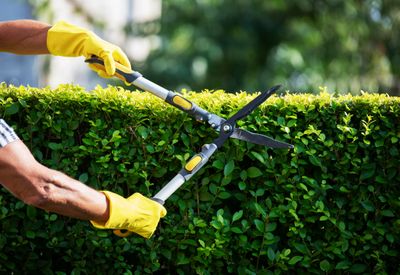
Hedge Trimming Services for Homeowners
If your hedges or bushes are looking overgrown, uneven, or simply “not right,” you’re not alone. Hedge trimming is one of those lawn care tasks that seems simple until you try it—and quickly realize it takes real technique, timing, and the right equipment to do properly.
This page gives you a clear, practical guide to hedge trimming: what it is, how often to do it, how to get the best results, and what to look for in a local service. Whether you want to DIY or hire a reliable professional, you’ll find everything you need here.
Why Hedge Trimming Matters
Hedges are one of the first things people notice about a yard. When they’re maintained, the whole property feels crisp and intentional. When they’re not… well, everyone can tell.
Benefits for curb appeal
- Clean, geometric lines
- Better definition around walkways, patios, and property boundaries
- A tidy appearance that instantly boosts home value
Benefits for plant health
Hedge trimming isn’t just aesthetic—it helps the plant:
- Grow fuller and thicker
- Avoid disease from dead or rubbing branches
- Allow more light to reach healthy growth
- Maintain air circulation
Benefits for overall lawn care
Hedges frame the lawn—when they’re trimmed properly, your mowing, edging, and other services look more complete and visually balanced.
Hedge Trimming vs. Pruning vs. Shaping
Most homeowners use these words interchangeably, but they mean different things. Understanding the difference helps you choose the right service—and avoid paying for the wrong one.
Quick definitions
- Trimming: Light cutting to maintain shape and keep hedges neat
- Pruning: Selective cuts to remove dead or unhealthy branches
- Shaping: Precision sculpting—rounds, squares, clean lines, or custom forms
When each type is needed
Need Best Choice
Hedge is “fluffy” or uneven Trimming
Branches are dead, crossing, or diseased Pruning
You want a polished, geometric look Shaping
Hedge is severely overgrown Heavy trimming or restoration
Before/after examples homeowners often see
- A lopsided hedge restored to straight lines
- Overgrown shrubs cut back safely without shocking the plant
- Ornamental bushes shaped to complement flower beds
- Hedges cleaned up so windows, porches, or walkways look open again
Common Hedge Types Homeowners Deal With
Some hedge species grow rapidly, some maintain a compact form, and others need careful shaping.
Fast-growing hedges
These usually require trimming every 4–8 weeks in warm months:
- Privet
- Boxwood varietals
- Texas sage
- Certain hollies
Evergreen hedges
These hedges keep their leaves year-round:
- Arborvitae
- Yew
- Juniper
They’re low-maintenance but require precision—one bad cut is visible for months.
Ornamental shrubs
Homeowners choose these for aesthetics:
- Hydrangea
- Azalea
- Spirea
- Rose of Sharon
These require hedge trimming that won’t interfere with bloom cycles.
How Often Should You Trim Your Hedges?
Great hedges are maintained on a schedule.
Seasonal hedge trimming schedule
Spring:
Best for shaping and encouraging full growth.
Summer:
Maintenance trims to keep hedges neat and prevent overgrowth.
Fall:
Clean-up trimming to prepare plants for winter.
Winter:
Avoid heavy trimming, but light touch-ups on non-flowering shrubs are okay.
Growth rate considerations
If your hedge grows fast, expect more frequent trims. Slow-growing varieties may only need 2–3 trims per year.
Weather factors
Excessive heat or drought may slow growth. Wet, mild seasons cause hedges to explode in size. A good professional adjusts trimming frequency based on conditions—not a rigid schedule.
Professional Hedge Trimming Services
A high-quality service should include more than quick cuts.
What’s included in a standard hedge trimming service
- Shaping and leveling
- Even line trimming across the top
- Side trimming for uniform thickness
- Removal of dead or damaged branches
- Full debris cleanup
- Disposal or haul-off
Add-on services
Many homeowners pair hedge trimming with:
- Mulch refresh around shrubs
- Lawn mowing & maintenance
- Edging around flower beds
- Seasonal shrub fertilization
When combined, these services give your yard a crisp, cohesive look.
Safety factors many DIY attempts overlook
- Handling tall ladders
- Heavy or corded equipment
- Thick or woody branches that jam small trimmers
- Avoiding hedge diseases that spread via tools
- Knowing when “cutting back too far” will kill a shrub
A professional pays attention to growth nodes, light penetration, and long-term plant structure.
How Hedge Trimming Fits Into Full Lawn Care
Hedge trimming is part of a complete yard maintenance ecosystem.
Why homeowners combine trimming with mowing
A freshly cut lawn looks incomplete if the hedge lines are overgrown. Pairing the two creates:
- Uniform lines
- Balanced curb appeal
- A cleaner aesthetic
Mulching + trimming combos
Mulch helps:
- Retain soil moisture
- Improve hedge growth
- Reduce weeds
- Boost visual contrast
After a trimming service, adding mulch is one of the best ways to finish the look.
Yard cleanup synergy
Debris from hedge trimming can be combined with leaf or brush cleanup to reduce multiple visits and keep your yard spotless year-round.
Cost Guide: What Homeowners Typically Pay
Pricing depends on hedge height, density, access, and the level of detail needed.
Hedge Trimming Pricing Overview
Service Type Typical Range
Basic trimming (light shaping) $60–$150
Medium trimming (several hedges) $120–$250
Detailed shaping $150–$350
Overgrown hedge restoration $200–$600+
Note: Prices vary by market, season, and hedge condition.
DIY Hedge Trimming Tips
If you enjoy yard work, here’s how to do trimming safely and effectively.
Tools checklist
- Electric or gas-powered hedge trimmer
- Hand pruners
- Protective gloves
- Safety glasses
- Rake or tarp
- Ladder for tall hedges
A simple step-by-step
- Remove dead or damaged branches first
- Start at the bottom and work upward
- Keep the hedge slightly narrower at the top
- Take small cuts—don’t remove too much at once
- Step back every few minutes to check your shape
- Clean debris quickly so it doesn’t smother your lawn
Common mistakes to avoid
- Cutting hedges into a “mushroom” shape
- Trimming during extreme heat
- Using dull tools
- Cutting flowering shrubs at the wrong time
- Cutting too deeply into old wood
When to Call a Professional Instead
While DIY trimming works for small bushes, call a pro when:
1. Your hedges are overgrown
If you haven’t trimmed in over a year, the plant may need restoration—not just a quick trim.
2. You need precision shaping
Straight lines, tight curves, or formal garden hedges require experience and pro-level equipment.
3. The hedge is tall or difficult to access
Don’t risk falls; a professional uses proper ladders and safety techniques.
4. You want ongoing lawn care
Combining trimming with routine maintenance creates consistent curb appeal without the hassle.
Frequently Asked Questions
How often should hedges be trimmed?
Most hedges do best with 2–4 trims per year, depending on growth rate and season.
What’s the best time of year to trim hedges?
Spring and early summer are ideal for shaping. Avoid heavy trimming in late fall or winter.
Does hedge trimming hurt the plant?
No—when done correctly, trimming improves health and encourages fuller growth.
How long does a typical trimming service take?
Most homes take 30 minutes to 2 hours, depending on hedge size and quantity.
Can I trim hedges myself?
Yes, small hedges are DIY-friendly. Larger or shaped hedges are best left to professionals.
Do you haul away the clippings?
Most professional services include cleanup and debris removal.
What’s the difference between trimming and pruning?
Trimming shapes the hedge; pruning removes unhealthy or problem branches.
How short can I cut my hedges?
Each hedge species has limits. Cutting too deep into old wood can cause permanent damage.
Well-maintained hedges transform a yard. They make your property look clean, polished, and welcoming—while also keeping your plants healthy for the long term. Whether you need a quick trim, complete shaping, or ongoing lawn care support, professional hedge trimming is one of the easiest investments you can make in your home.
If your hedges need attention, reach out today. Get a fast quote, reliable service, and a yard you can be proud of.